Source Modern Aluminum Frame Reptile Rack for Breeders
Source a modern aluminum frame reptile rack for your reptile breeding operation. Compare 30 available options featuring detachable designs, heating pads, and stackable layers to find the ideal setup for housing reptiles efficiently; compare the available evidence and request quotations based on your requirements.
Key considerations
Products List
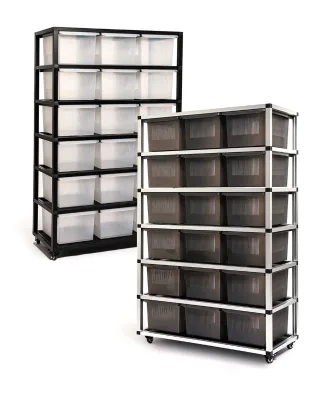
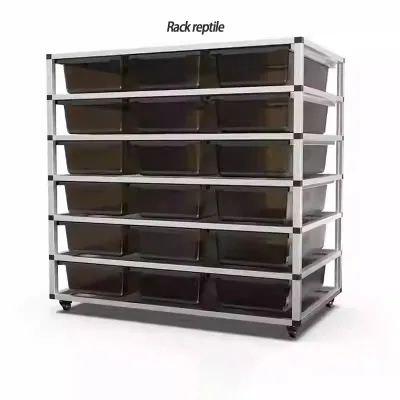
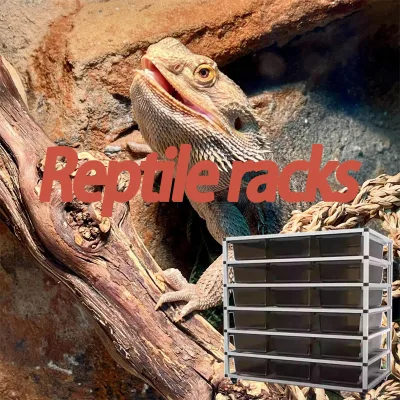


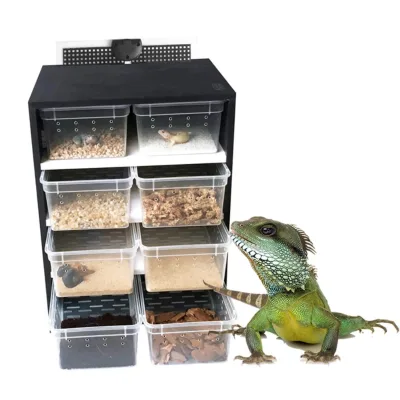
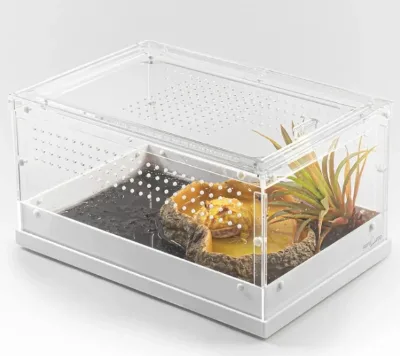
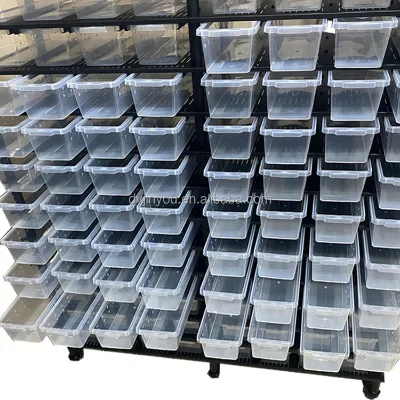
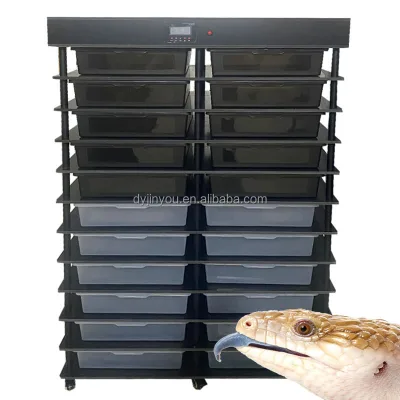
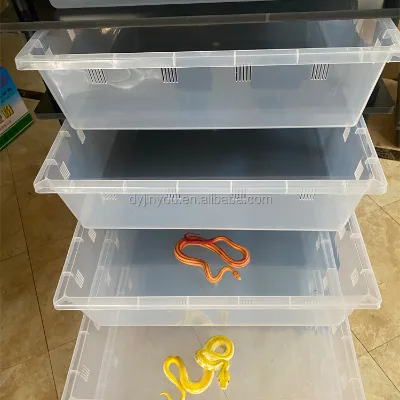
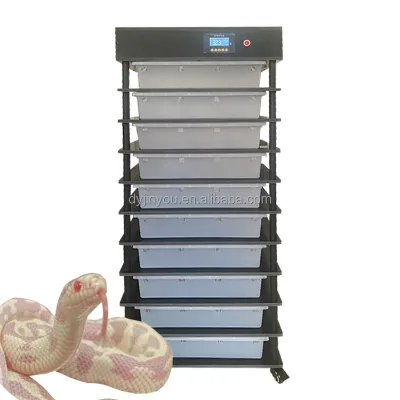
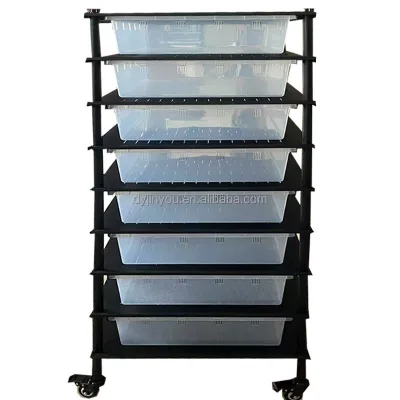
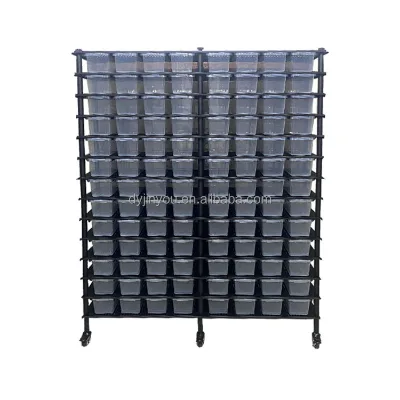


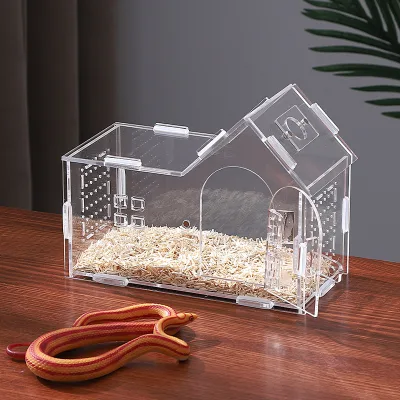


Comprehensive Sourcing Guide
Modern Aluminum Frame Reptile Rack Sourcing Guide
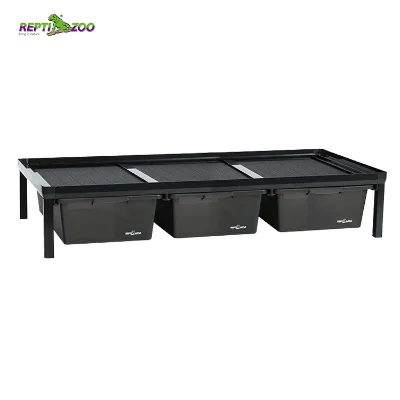
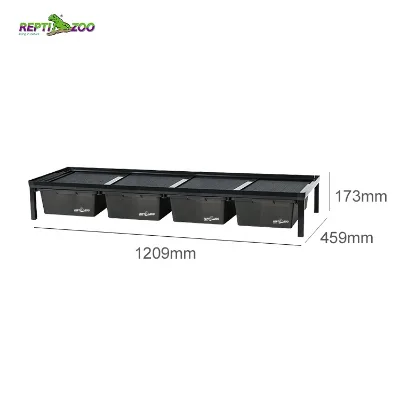
Procuring a modern aluminum frame reptile rack requires distinguishing between fixed units and stackable systems designed for high-density breeding environments. Buyers must verify whether the frame utilizes pure aluminum or aluminum alloy, as this impacts structural rigidity and resistance to corrosion in humid terrarium settings. The observed market includes models with specific dimensions like 1209 x 459 x 173 mm, which dictate the spatial footprint required for facility planning.
Commercial listings often present varying minimum order quantities, ranging from single units for sampling to bulk orders exceeding one thousand pieces. Sourcing strategies should account for these thresholds, as some suppliers offer flexible terms for initial trials while others enforce strict volume requirements for custom configurations. Understanding these commercial constraints early prevents procurement bottlenecks and ensures alignment with inventory turnover goals.
Product Scope and Observed Listing Signals
The product scope encompasses both single-layer fixed racks and multi-layer stackable systems featuring heating pads and wheels for enhanced mobility. Listings indicate specific features such as detachable components and solid patterns, which facilitate cleaning and maintenance in professional breeding facilities. Buyers should note that some units are explicitly designed for reptiles, while others may serve broader animal feeding functions, requiring careful selection based on the target species.
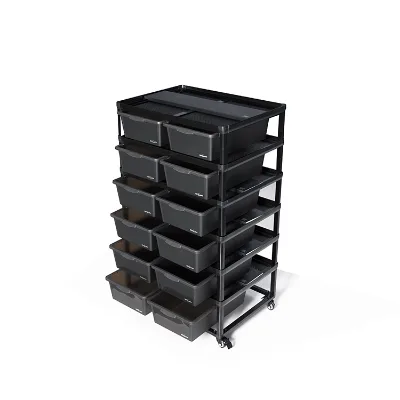
Observed listing signals reveal a diversity in packaging and unit configurations, with box amounts varying from three to twelve pieces per carton. This variation influences logistics planning and storage requirements, as larger units like the 609 x 459 x 1080 mm stackable models demand different handling protocols compared to compact single-layer units. Procurement teams must analyze these physical attributes to ensure compatibility with existing warehouse infrastructure and transport capabilities.
Technical Specifications to Verify
Technical verification must begin with precise dimensional analysis, as product sizes vary significantly from 923 x 466 x 173 mm to larger 1209 x 459 x 233 mm configurations. Buyers should confirm the exact frame material, distinguishing between aluminum alloy and standard aluminum, as these materials affect the overall weight and load-bearing capacity of the rack. Additionally, the presence of integrated heating pads and wheels requires validation to ensure they meet the specific thermal and mobility needs of the reptile collection.
Material composition extends beyond the frame to include plastic or stainless steel components used in trays and closures. Specifications such as push-up closure types and solid patterns indicate specific design choices that impact hygiene and ease of use. It is critical to cross-reference model numbers like IN003A or IN004A with their corresponding physical attributes to avoid mismatches between the ordered specifications and the delivered product capabilities.
Compliance and Safety Documentation
Safety documentation for reptile racks often focuses on material safety and structural integrity rather than complex electrical certifications, though units with heating pads require specific attention. Buyers should request material safety data sheets to confirm that plastics and metals used are non-toxic and suitable for long-term animal contact. While specific certification names are not universally listed, verifying that materials meet general safety standards for pet products is essential for liability management.
Structural safety is paramount when selecting stackable units, as the stability of a six-layer configuration depends heavily on the quality of the aluminum frame and locking mechanisms. Procurement teams must ensure that suppliers provide evidence of load testing or structural stability assessments, particularly for racks intended to hold heavy substrates and water sources. Without explicit test data in the listing, buyers should mandate third-party verification to prevent potential collapse or injury to the animals.
Cost Drivers and Commercial Terms
Cost drivers in this category are heavily influenced by the complexity of the frame design and the inclusion of auxiliary features like heating pads and wheels. Units constructed with aluminum alloy and multiple layers typically command higher prices compared to basic single-layer plastic models, reflecting the increased material and manufacturing costs. Buyers should analyze the price range of 2.99 to 778.56 USD to understand the correlation between feature density and unit cost.
Commercial terms vary widely, with minimum order quantities ranging from two pieces to over a thousand, directly impacting the unit price and cash flow requirements. Lead times for samples are often cited as 7-10 days, but bulk production schedules may differ significantly based on the supplier's capacity and the customization level required. Negotiating favorable terms regarding sample times and bulk pricing is crucial for optimizing the total cost of ownership.
Supplier Qualification and Quality Control
Supplier qualification should prioritize manufacturers with established OEM and ODM capabilities, as these entities are better equipped to handle custom specifications and volume scaling. The presence of a specific brand name like REPTI ZOO or REPTIZOO suggests a level of market presence, but buyers must independently verify the supplier's production capacity and quality control protocols. Relying solely on brand recognition without due diligence can lead to inconsistencies in product quality across different batches.
Quality control measures must include rigorous inspection of frame welds, plastic molding quality, and the functionality of moving parts like wheels and detachable sections. Buyers should implement a pre-shipment inspection protocol that verifies the box amount and packaging integrity, ensuring that units arrive without damage. Given the variation in box sizes and layer counts, a standardized inspection checklist is necessary to maintain consistency across all received shipments.
Long-Term Procurement Checks
Long-term procurement success depends on establishing a reliable supply chain that can consistently deliver units with the specified dimensions and material properties. Buyers should monitor the supplier's ability to maintain the aluminum frame quality and plastic durability over time, as these factors directly affect the lifespan of the breeding racks. Regular audits of the supplier's production line can help identify potential issues before they impact the supply of critical breeding equipment.
Sustainability and adaptability are also key considerations, as the reptile industry evolves and may require modifications to rack designs or materials. Procurement teams should maintain open communication channels with suppliers to discuss potential updates in material standards or design improvements. Ensuring that the supplier remains flexible and responsive to market changes will secure a stable supply of high-quality breeding racks for future operational needs.
FAQs
What materials are used in the modern aluminum frame reptile rack?
The rack frames use aluminum alloy or aluminum for structure, while some models combine aluminum with PP plastic components. Certain versions pair stainless steel with plastic parts instead. Plastic is commonly used for breeding boxes that slot into the frame. Check each model's specification, since material combinations vary between fixed, wheeled, and heated rack configurations.
How many layers can the breeding rack support?
Configurations vary by model, so the count depends on which rack you choose. One listed unit offers a 1-layer fixed design, while another stackable model provides a 6-layer stack with 12 breeding boxes. Detachable and stackable construction lets you adjust height as your collection grows. Verify the layer amount in the model specification before ordering.
What are the dimensions of the breeding rack models?
Available sizes differ by model. One unit measures 923 x 466 x 173 mm, another 1209 x 459 x 173 mm, and a third 1209 x 459 x 233 mm, all in millimeters. The stackable 6-layer rack with heating pad measures 609 x 459 x 1080 mm. Breeding boxes measure 470 x 270 x 120 mm, and rack width is chosen to match the box count per level.
Can the breeding rack be customized for specific requirements?
Yes, OEM and ODM services are acceptable on listed models. Customization typically covers sizing, layer configuration, branding, and packaging details. Sample time is listed at 7 to 10 days, so you can evaluate a sample before committing to bulk production. Contact the supplier with your specifications to confirm which modifications are feasible for the model you want.
Which rack model suits breeders who need mobility?
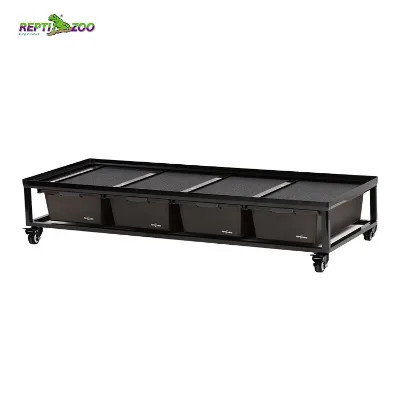
Choose the stackable 6-layer breeding rack with heating pad, which features wheels and a removable design. The reptile breeding rack with wheels and aluminum alloy frame is another movable option, offering stackable, detachable, and movable features. Wheeled frames let you reposition racks for cleaning, ventilation, or temperature management without disassembling the units or disturbing the animals inside.
How many breeding boxes come with each rack?
Box amount varies by model. Listed configurations include 3 pieces, 4 pieces, and 12 pieces per unit. The 6-layer stackable rack with heating pad includes 12 boxes, giving each layer dedicated housing. Boxes are made of plastic, sized 470 x 270 x 120 mm, and many models allow boxes to be detached and stacked for flexible expansion as your breeding operation scales.
What is the minimum order quantity for these racks?
MOQ depends on the specific model. Listed values range from as low as 2 pieces and 5 pieces for sample or small orders, up to 20 pieces and 100 pieces for other units. Selling units are single items, and single-piece purchasing may be possible on some listings. Confirm the MOQ for your chosen model with the supplier before placing an order.
Are the breeding racks suitable for year-round use?
Yes, the racks are listed as All-Season and All Seasons products, and the holiday application covers all holidays. They are designed for reptiles and include features such as heating pads on selected models to maintain consistent temperatures through colder months. Detachable boxes and aluminum alloy frames support regular cleaning and ventilation, helping maintain stable conditions throughout the year in varied climates.